Rental management in northwestern Pennsylvania
Where travel time, not fee percentage, decides whether management pays.
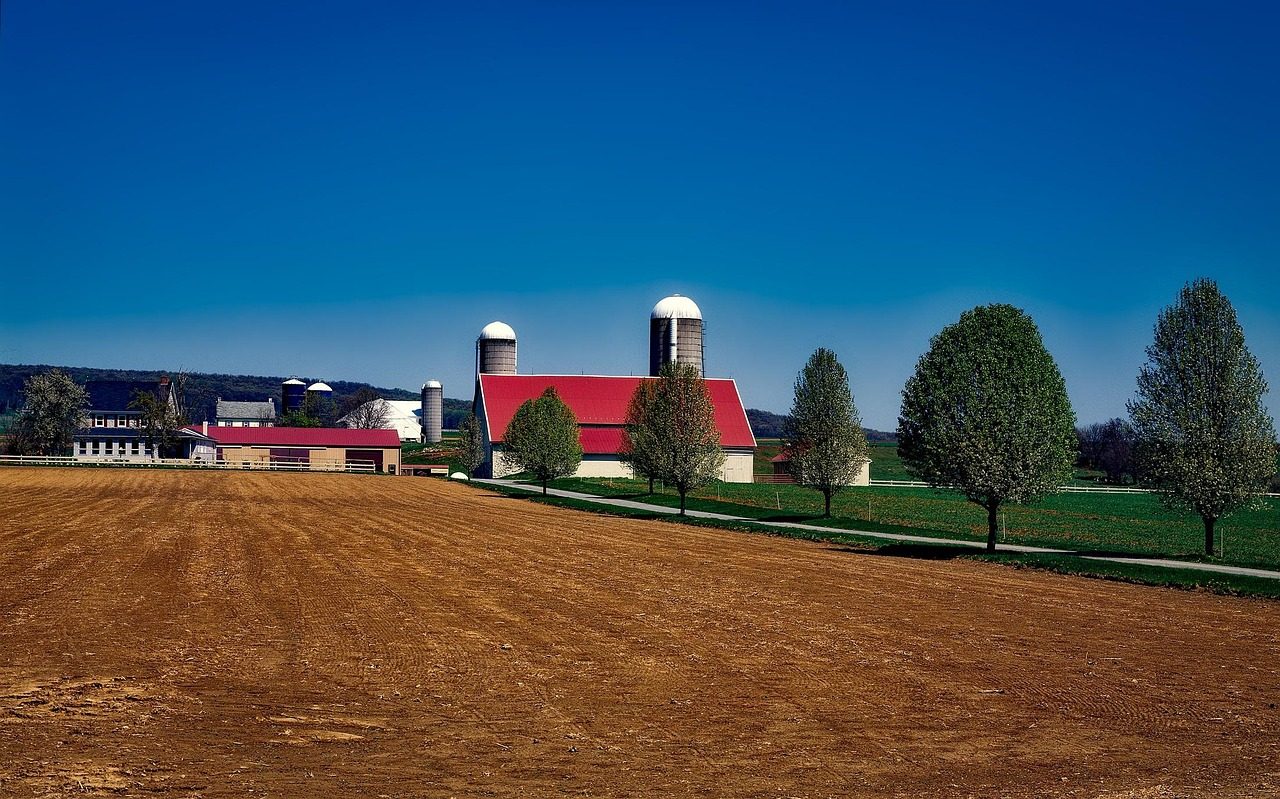
Crawford, Mercer, Lawrence and Elk counties are the thinnest markets in this guide and the ones where distance matters most. There is real demand here, it is simply spread across a great many miles, and a manager's travel time can consume the entire margin.
What kind of letting is this?
Thin, local, and best run by someone who lives nearby. College dates, hunting and elk seasons, court business and contract work, in small quantities each.
Owners in the northwest are the ones we most often tell not to buy management at all. Not because companies here are bad, but because the arithmetic of driving forty minutes to a changeover rarely works for anyone.
The towns, one by one
Each of these has its own municipality, its own rules and its own reason people book there. The link under each takes you to the town-level company comparison on our management pick's site.
Meadville
Crawford County's seat, with Allegheny College, the French Creek valley and a manufacturing base that has kept the town working.
College dates and outdoor visitors carry the leisure side; contract work fills the rest. A small market where being local is worth more than any management arrangement. Compare management companies in Meadville.
Worth checking here: the city's position, and how far the nearest cleaner lives — in this county that is the number that decides everything.
Sharon
A Shenango valley city on the Ohio line, which means a share of its demand comes from across a state border and behaves accordingly.
Practical, weekday-weighted and thin. Owners here should be honest with themselves about volume and price for reliability rather than for peaks. Compare management companies in Sharon.
Worth checking here: city rules, and whether cross-border guests change anything about your insurance.
New Castle
Lawrence County's seat, where the Shenango and the Neshannock meet, midway between Pittsburgh and the Ohio line with the traffic that implies.
Court and county business, contract work, and family visits. Longer stays are the norm and the turnover load is light enough to self-manage from within the county. Compare management companies in New Castle.
Worth checking here: the city's rental provisions, and travel time from wherever your crew is based.
St Marys
An Elk County city in the middle of Pennsylvania's elk range, surrounded by state forest and a long way from anywhere with a motorway.
Elk viewing and hunting seasons are real, dated demand blocks. Outside them the market is very quiet, and the nearest management crew may be an hour or more away. Compare management companies in St Marys.
Worth checking here: the city's ordinance, the dated hunting and elk seasons, and winter access on forest roads.
What should a northwestern owner buy?
Software, and your own cleaner. In most of this region the honest answer is that no management tier pays for itself.
If you are genuinely absent, the partner tier is the one to price, and the single question that matters is where the nearest crew physically lives. Forty minutes each way turns a changeover into a half-day, and somebody is paying for that half-day.
How do you make a thin market work?
By pricing for reliability instead of for peaks, and by keeping your costs low enough that a quiet month is survivable. Thin markets punish leverage and reward patience.
The owners who do well across Crawford, Mercer, Lawrence and Elk counties tend to share three habits. They take longer bookings rather than chasing nightly rates. They own the property outright or close to it, so a slow February is an inconvenience rather than a crisis. And they do the changeovers themselves, or have one person nearby who does.
In plain English: in a busy market you make money on volume, and you can pay somebody a share of it. In a thin market there is no volume to share, so anything you hand over comes straight out of your own margin.
Take an owner with a farmhouse outside St Marys
Before: they listed for nightly stays, took roughly ~4 bookings a month outside the hunting and elk seasons, and paid a manager forty minutes away who charged for travel on every callout.
After: minimum stay went to four nights, the two dated seasons were priced as the peaks they actually are, and the management contract was replaced by a neighbour paid per changeover plus software for the messaging. The property earned less on paper in one quiet month and more across the year.
Why it wins: the fee was not the problem. The travel time inside the fee was the problem, and no percentage negotiation would have removed it.
Mistakes owners make in the northwest
- Buying management at all when the travel time consumes the margin.
- Modelling city occupancy in a market that is genuinely thin.
- Missing the dated seasons — elk viewing and hunting are the peaks, and they are fixed.
- Leaving a remote property unprotected through an interior winter.
Is it worth letting short-term this far from a city?
Yes for an owner who is local, patient and unleveraged; rarely otherwise. The demand is real but small, the seasons are dated rather than continuous, and every mile between your property and the person who cleans it comes out of the same margin. Be honest about all three before committing.
Do the same Pennsylvania rules apply across this region?
The tax rules do; the permission rules do not. The Commonwealth's 6% hotel occupancy tax on stays under 30 days applies identically in every town above. Whether you may let at all is decided municipality by municipality, and the boundary is often a road.
Where do I read the tax rule in full?
On our Pennsylvania hotel occupancy tax page, which covers Act 109 of 2018, the two licences, and the single most common compliance gap in the state — the first direct booking. The town directory lists every other place we cover, and our management ranking scores eighteen companies against the criteria on this site.