Pennsylvania hotel occupancy tax
The one statewide rule that reaches every short-term letting in the Commonwealth.
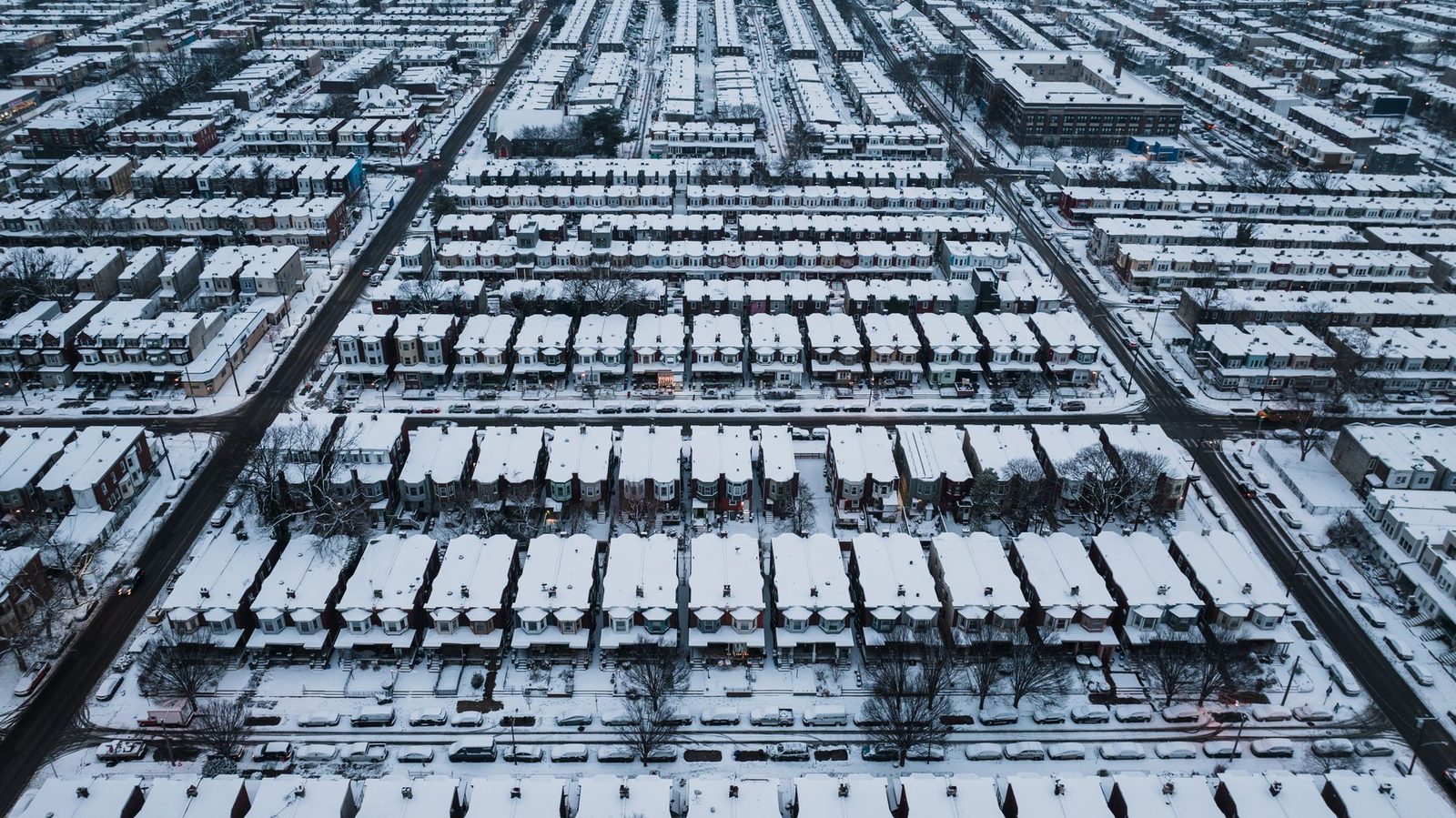
Almost every state leaves short-term letting to the platforms and the town hall. Pennsylvania inserts itself in the middle: there is a Commonwealth-level tax on the stay itself, it reaches homes and apartments booked through an online broker by name, and a 2018 amendment made the broker an operator in its own right.
The practical effect is strange. Most Pennsylvania owners letting exclusively through a platform hold no tax licence of any kind and are entirely compliant. The moment one of them takes a booking directly, they are not. That single line is the most useful thing on this page.
Does Pennsylvania charge tax on Airbnb stays?
Yes. Hotel occupancy tax applies at 6%, the same rate as sales tax, to room rental charges for periods of fewer than 30 days by the same person. The Department of Revenue states explicitly that it reaches rentals of rooms, apartments and houses arranged through online or third-party brokers.
Two counties add to it. The department's own guidance describes an additional 1% local tax in Allegheny and Philadelphia counties applied on the state tax base. That is separate from, and on top of, any local hotel excise tax a county levies under its own ordinance — the Poconos being the example most owners meet.
- State rate: 6% hotel occupancy tax, imposed at the sales tax rate.
- Scope: stays of fewer than 30 days by the same person.
- Covered: rooms, apartments and houses booked through online brokers.
- Allegheny and Philadelphia: an additional 1% on the state tax base.
- Separate again: county hotel excise taxes administered locally.
What did Act 109 of 2018 change?
It made booking agents operators. Effective 22 January 2019, a booking agent that facilitates a short-term booking for a Pennsylvania operator must charge, collect and remit hotel occupancy tax — not only on the room charge, but on its own service fee.
Before the Act, only the amount the owner received — the department calls it the discount room charge — was taxable. The platform's cut was not. Act 109 expanded the definition of rent to include that cut, renamed it the accommodation fee, and required a separate licence for it, because the money raised on the fee is designated for the state's Tourism Promotion Fund rather than the General Fund.
The department publishes a worked example, and it is worth reproducing exactly because it shows who remits what:
| Component | Amount | Tax at 6% | Remitted by |
|---|---|---|---|
| Discount room charge | $100.00 | $6.00 | The operator, under a Sales, Use and Hotel Occupancy Tax Licence |
| Accommodation fee | $20.00 | $1.20 | The booking agent, under a Booking Agent Licence |
In plain English: the state used to tax only the part of the money that reached the homeowner. Now it also taxes the part the website keeps, and it made the website responsible for handing that piece over.
Do I need my own tax licence as a Pennsylvania host?
Not if 100% of your bookings go through a booking agent. Yes, if you take any direct booking under 30 days. The Department of Revenue puts it in exactly those terms, and the distinction turns on the word exclusively.
This is the trap. An owner lists on a platform, the platform collects and remits, and years pass without a registration. Then a returning guest asks to book the same week directly and save the fee, the owner says yes, and at that moment the owner is an unlicensed operator making a taxable letting. Nothing announces it.
- Platform-only: no Sales, Use and Hotel Occupancy Tax Licence needed.
- Any direct booking under 30 days: your own licence is required.
- Registration route: Pennsylvania Online Business Tax Registration through myPATH.
- Booking agents themselves: two licences, the second via form REV-1840.
- Filing: returns are due even in periods with no taxable bookings.
What about local hotel taxes?
They are separate from the state tax and administered by the county. The department is explicit that the 6% it collects, plus the 1% in Allegheny and Philadelphia, is distinct from local hotel excise taxes imposed by local taxing jurisdictions — and that under Act 109 booking agents must remit those directly to the local authority.
Monroe County is the one Pennsylvania owners are most likely to meet, because it covers the Poconos. Under county Ordinance #2017-1 every business holding itself out as a hotel applies a 3% tax to each rental of a room with a bed, and the ordinance defines hotel broadly — guesthouse, rooming house, bed and breakfast, homestead or other structure that advertises itself as offering accommodation. The revenue funds the county's designated tourist promotion agency.
We do not publish rates for the other sixty-six counties. They are set locally, they change with a commissioners' vote, and a stale figure on a review site is worse than none. Ask your county treasurer, and ask any prospective manager to name the county they file in.
Myths we hear from Pennsylvania owners
Myth: the platform handles all my Pennsylvania taxes.
Reality: it handles the state hotel occupancy tax on bookings made through it, and under Act 109 it remits local hotel excise taxes directly. It does not cover a booking you took yourself, and it does not register you for anything.
Myth: a 30-day let avoids everything.
Reality: it takes the stay outside hotel occupancy tax, which is a real saving. It does not touch zoning, and the income moves from Schedule C to Schedule E for Pennsylvania personal income tax purposes.
Myth: nobody checks.
Reality: the checking usually arrives from the municipality, not the Commonwealth, and it usually arrives because a neighbour complained. The tax question then gets asked second.
Mistakes owners make with Pennsylvania tax
- Taking one direct booking without registering — the single most common compliance gap in the state, and the easiest to fix before it matters.
- Assuming the county tax is the state tax — they are separate regimes with separate authorities and separate filings.
- Letting a manager register under their own number without agreeing in writing what happens to that registration when the contract ends.
- Reporting on the wrong schedule — short-term lodging income belongs on Schedule C, longer lettings on Schedule E.
- Treating a 29-night stay as long-term because it feels long. The rule is fewer than 30 days, and it is counted per person.
Where should I check this myself?
Start with the Pennsylvania Department of Revenue's Sales, Use and Hotel Occupancy Tax pages and its dedicated booking-agent guidance, then your county treasurer for the local excise. We reproduce nothing here that is not on those pages, and where the department has not published a figure we have left the gap visible.
Does any of this decide who should manage the property?
It decides one question: who holds the licence. A manager taking direct bookings on your behalf needs the registration handled, and whose name it sits under is a term of your contract, not an administrative detail. It is the first thing we ask.